
Sacred Places and Monuments
Temples, hills, forums, and the places where Roman myths actually happened. This cluster covers the hills, temples, and forums where Roman religion actually happened, and what survives of them today.
The Roman Forum: The Religious Heart of Rome
Drained from a marsh in the 6th century BC, the Forum packed more temples, shrines, and sacred rituals into one small valley than almost any site in the ancient world.
The Capitoline Hill and the Temple of Jupiter Optimus Maximus
Rome's most sacred temple was destroyed by fire more than once — and the version Romans worshipped at by the 1st century AD looked nothing like the original.
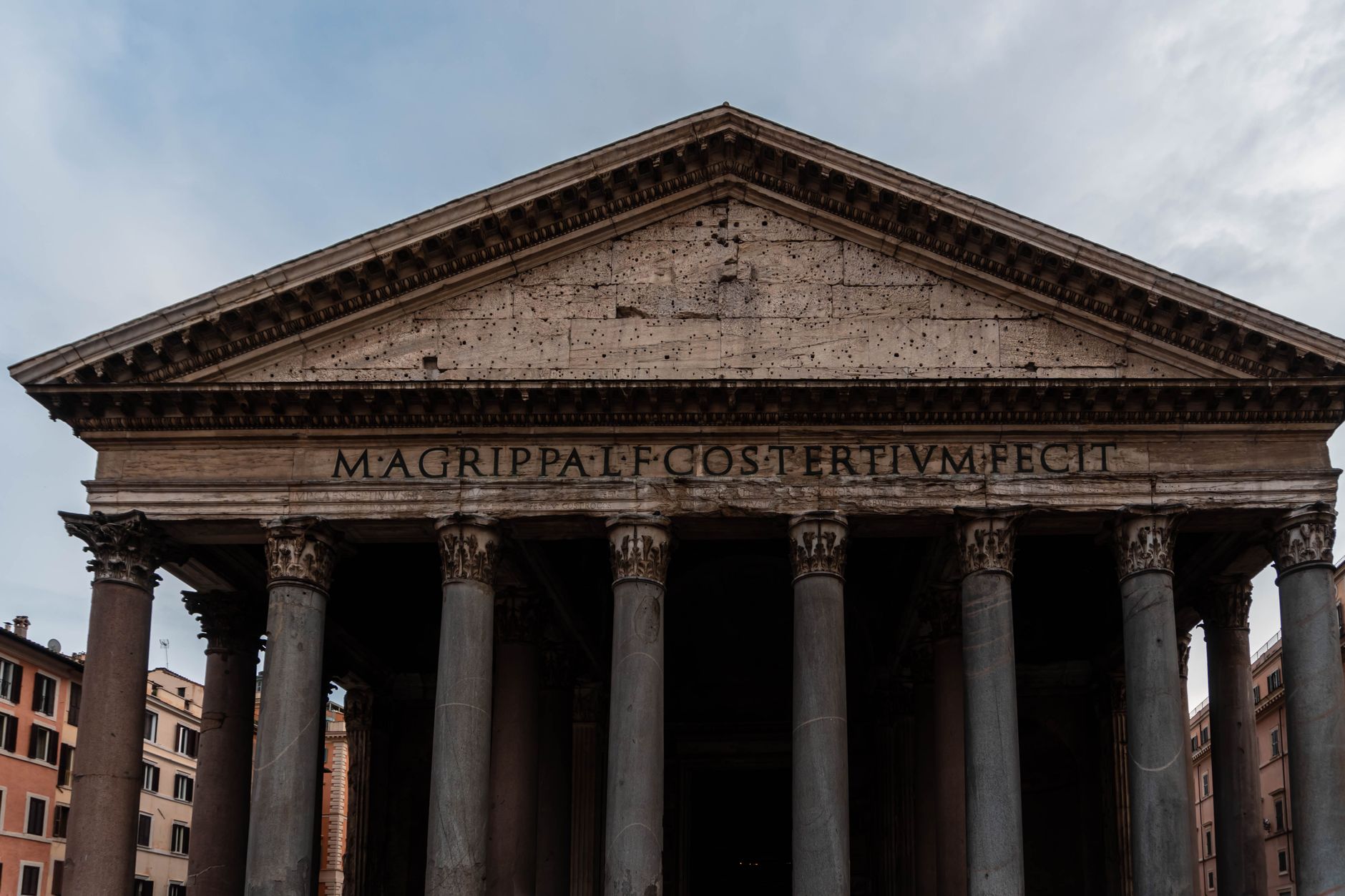
The Pantheon: Rome's Temple to All the Gods
The inscription on the Pantheon credits Agrippa — but the building behind it was constructed nearly 150 years later under Hadrian.
The Palatine Hill: Myth, Religion, and the Birthplace of Rome
Archaeologists have found Iron Age hut foundations on the Palatine that are strikingly close to Rome's own legendary founding date.
The Lupercal: The Cave Where Rome's Myth Began
A richly decorated grotto found 16 meters underground in 2007 reignited a century-old argument about where Rome's foundation legend actually happened.
The Temple of Vesta: Architecture of Rome's Sacred Fire
Unlike almost every other major Roman temple, Vesta's was round — a design tradition some ancient writers linked directly to the shape of the earth itself.
The Aventine Hill: Plebeian Gods and Rebel Cults
For centuries, the Aventine Hill stood legally outside Rome's sacred city boundary — and that exclusion is exactly why it became the plebeians' religious home base.
Campus Martius: Rome's Field of War and Worship
Rome's largest open military training ground gradually filled up with temples, a giant sundial, and an emperor's mausoleum — and never stopped being useful.
The Temple of Saturn and Rome's State Treasury
Rome kept its state gold, silver, and official financial records inside a working temple — not a separate government building.