
The Aventine Hill: Plebeian Gods and Rebel Cults
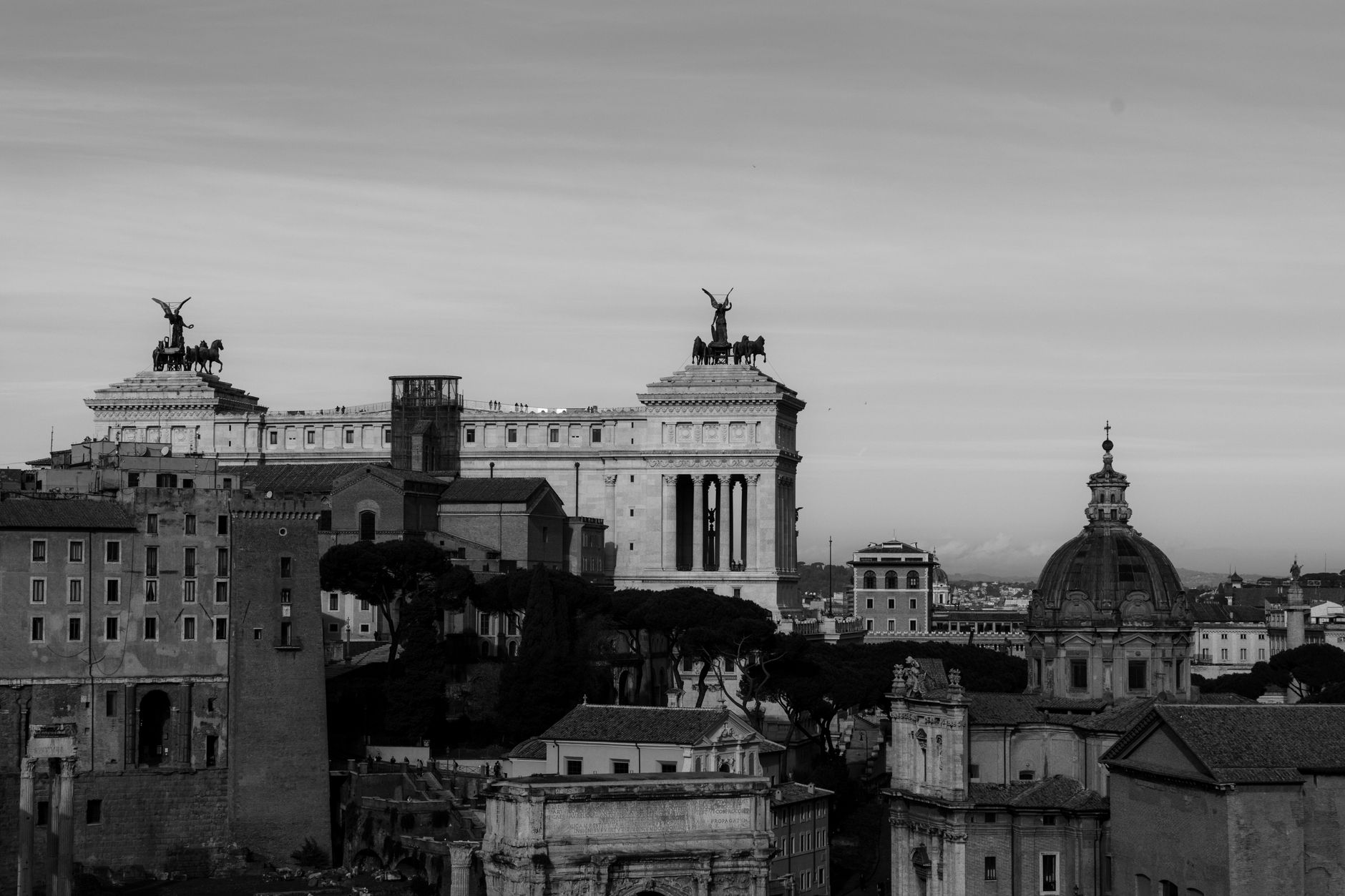
Until Emperor Claudius formally included it in the 1st century AD, the Aventine Hill sat outside the pomerium, Rome's sacred inner boundary, even though it stood well within the city's physical walls. That odd legal status was not an accident of geography; it reflected the hill's long association with Rome's non-patrician population, and it shaped which gods ended up worshipped there.
A hill outside the sacred boundary
The Aventine Hill was excluded from the pomerium, the ritually defined boundary marking the city's sacred interior, for reasons ancient sources describe differently; some connect it to unfavorable omens observed there, including a tradition tied to the augury contest between Romulus and Remus, in which Remus took his position on the Aventine. Whatever the original cause, the exclusion persisted for centuries, meaning certain types of public business, such as some kinds of political assembly, could not formally take place on the hill in the same way they could on included ground such as the Capitoline Hill.
Home ground for the plebeians
Roman tradition and later political memory closely associated the Aventine with the plebeians, the common citizen class, in their long struggle for political rights against the patrician elite during the early-to-mid Republic. According to Livy, the plebeians staged at least one of their famous secessions, a mass withdrawal from the city functioning as an early form of general strike, partly on or near the Aventine around 494 BC, pressuring the patricians into recognizing the office of the tribune of the plebs. This history gave the hill a lasting symbolic association with popular political resistance that outlasted the specific events themselves.
Ceres, Liber, and Libera: a temple for the plebeians' own cult
The clearest religious expression of this association was the Temple of Ceres, Liber, and Libera, dedicated around 493 BC on the Aventine and traditionally linked to a vow made during a grain shortage crisis. This temple became the particular religious and administrative center of the plebeian order; its aediles, officials originally tied to plebeian religious affairs, eventually evolved into a regular Roman magistracy, the plebeian aediles, showing how intertwined this cult site was with plebeian political organization rather than purely private worship.
Other cults the Aventine attracted
Beyond Ceres, the Aventine hosted the Temple of Diana, traditionally founded by King Servius Tullius and notable for functioning as a shared sanctuary for the Latin League cities, not Rome alone, giving it an unusually international character for a Roman temple. The hill later also became associated with the cult of Juno Regina, brought to Rome from the Etruscan city of Veii after its conquest in 396 BC, and with imported foreign cults more broadly, reflecting a pattern in which religious practices outside the traditional patrician-controlled state cult tended to cluster on this excluded hill.
| Cult / Site | Traditional founding date | Significance |
|---|---|---|
| Temple of Ceres, Liber, Libera | c. 493 BC | Plebeian religious and administrative center |
| Temple of Diana Aventinensis | Attributed to Servius Tullius, 6th century BC | Shared sanctuary for the Latin League |
| Plebeian secession | c. 494 BC | Early withdrawal tied to Aventine location |
| Juno Regina cult transfer | 396 BC | Brought from conquered Veii |
| Aventine added to pomerium | 1st century AD, under Claudius | Ended the hill's long-standing exclusion from the sacred boundary |
Aventine cults vs Capitoline state cult: a comparison
- Location status: The Aventine stood outside the pomerium for centuries; the Capitoline was always within Rome's most sacred, included ground.
- Social association: Aventine cults leaned toward the plebeian order and imported foreign worship; the Capitoline's Temple of Jupiter Optimus Maximus was the central state cult tied to patrician-dominated magistracies.
- Political function: The Temple of Ceres doubled as an administrative base for plebeian officials; the Capitoline temple was the destination for triumphal processions representing the whole Roman state.
- International character: The Aventine's Temple of Diana served the wider Latin League; Capitoline cult was Rome-specific.
The Aventine's later religious life
The Aventine's association with minority or imported cults continued long after the Republic. In the Imperial period, the hill hosted shrines to foreign gods such as the Syrian deity Jupiter Dolichenus and, significantly, an early concentration of Christian worship, with the Aventine becoming home to some of Rome's oldest titular churches, including the predecessor of Santa Prisca, built over what may have been an earlier Mithraic sanctuary. This pattern, a hill historically open to cults operating somewhat outside the dominant state religious establishment, arguably continued in a new form once Christianity itself began as a minority practice within the city, even though the Aventine's specific pagan-era exclusion from the pomerium had nothing directly to do with the later Christian history layered on top of it centuries afterward.
What survives at the Aventine today
Little monumental ancient architecture survives above ground on the Aventine compared to the Forum or Palatine; much of the hill is now occupied by medieval and later churches, some built directly over or near ancient temple foundations, including the church of Santa Sabina, which preserves ancient columns likely reused from earlier Roman structures nearby. Visitors today experience the hill more through this layered continuity of religious use across centuries than through intact ancient ruins.
Common mistakes about the Aventine Hill
- Assuming the Aventine was a poor or marginal area throughout Roman history. By the late Republic and Empire it also hosted wealthy residences; its earlier political association with the plebeians does not mean it stayed a working-class district forever.
- Thinking exclusion from the pomerium meant the hill was outside the city physically. It stood within Rome's walls; the pomerium was a separate ritual-legal boundary, not simply the city limits.
- Confusing the Temple of Diana Aventinensis with other Diana temples elsewhere in the Roman world. This specific sanctuary's Latin League connection was a distinct historical feature tied to this location.
- Assuming significant ancient ruins are visible today. Unlike the Forum or Palatine, most Aventine antiquities survive only as fragments incorporated into later buildings.
The Aventine's role as a space for cults outside the traditional patrician center contrasts sharply with the state religion concentrated around the Roman Forum and the Temple of Saturn. For more on Rome's sacred topography, see the sacred places and monuments category.
Sources
- Livy, Ab Urbe Condita (Book 2) — Describes the plebeian secession and its connection to the Aventine Hill.
- Dionysius of Halicarnassus, Roman Antiquities (Book 4) — Discusses the founding of the Temple of Diana Aventinensis under Servius Tullius.
- Varro, De Lingua Latina (Book 5) — Comments on the Aventine's name and its exclusion from the pomerium.
- Livy, Ab Urbe Condita (Book 5) — Describes the transfer of the Juno Regina cult from Veii in 396 BC.
Frequently asked questions
Why was the Aventine Hill excluded from Rome's pomerium?
Ancient sources give varying explanations, including a tradition connecting it to unfavorable omens from the augury contest between Romulus and Remus. Whatever the original reason, the Aventine remained outside this sacred ritual boundary for centuries despite being within the city walls, until Emperor Claudius formally included it in the 1st century AD.
What is the connection between the Aventine Hill and the Roman plebeians?
The Aventine became closely associated with the plebeian order after events including a mass political secession around 494 BC. The Temple of Ceres, Liber, and Libera, dedicated there around 493 BC, served as the plebeians' own religious and administrative center.
What ancient structures can you still see on the Aventine Hill today?
Very little monumental ancient architecture survives intact above ground; much of the hill is now covered by later churches, some of which, like Santa Sabina, incorporate reused ancient columns, giving only indirect traces of the original Roman religious sites.
Was the Temple of Diana on the Aventine only for Romans?
No. Ancient tradition holds that the Temple of Diana Aventinensis, attributed to King Servius Tullius, served as a shared sanctuary for the cities of the Latin League, not Rome exclusively, giving it an unusually international religious role.