
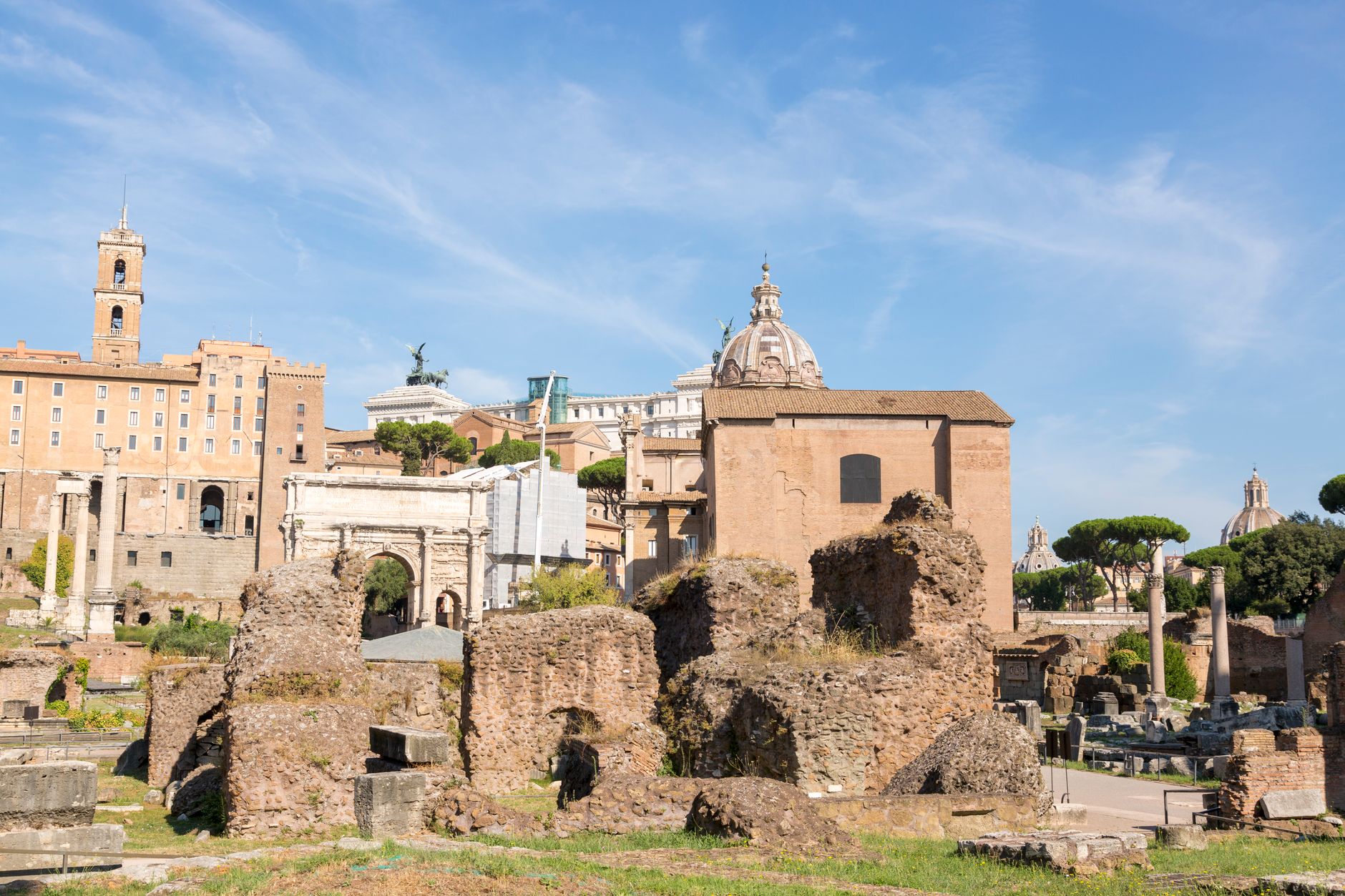
Festivals, Cults and Religion
The religious calendar, priesthoods, rituals, and the civic life built around them. This cluster covers how Rome organized sacred time: festivals, priesthoods, divination, and the mechanics of ritual itself.
The Roman Religious Calendar: How Rome Organized Sacred Time
Rome ran on a calendar where law, religion, and the market week were one system — and a single miscounted day could void a contract.
Saturnalia: Rome's Festival of Role Reversal
For one week in late December, Roman social order flipped on purpose — and nobody thought it was a rehearsal for Christmas.
Lupercalia: Rome's Strangest Fertility Festival
Goat sacrifice, a cave on the Palatine, and priests running the streets half-dressed: Lupercalia was unlike any other festival on Rome's calendar.
The Vestal Virgins: Rome's Most Powerful Priestesses
Chosen as children, bound by a thirty-year vow, and granted legal powers no other Roman woman held: inside the unusual institution of the Vestal order.
The Pontifex Maximus and Rome's Priestly Colleges
Rome had no professional clergy class — its chief priest was often also a sitting general or consul. Here is how that system was structured.
Augury and Divination: How Rome Read the Will of the Gods
Before a Roman army marched or an assembly voted, someone had to check the sky. Here is what that actually involved, and what it was not.
Parentalia and Lemuria: How Rome Honored and Feared the Dead
One festival let families bring flowers to the grave. The other had the head of the household throwing black beans in the dark to chase off ghosts.
Cerealia and Floralia: Rome's Agricultural Festivals
Not every Roman harvest festival was solemn. Cerealia and Floralia show two very different moods built on the same agricultural calendar.
Roman Sacrifice: How a Ritual Actually Worked
The priest rarely held the knife himself. Here is the real, step-by-step mechanics of how a Roman animal sacrifice was performed and judged.