
Mars: From Field Guardian to God of War
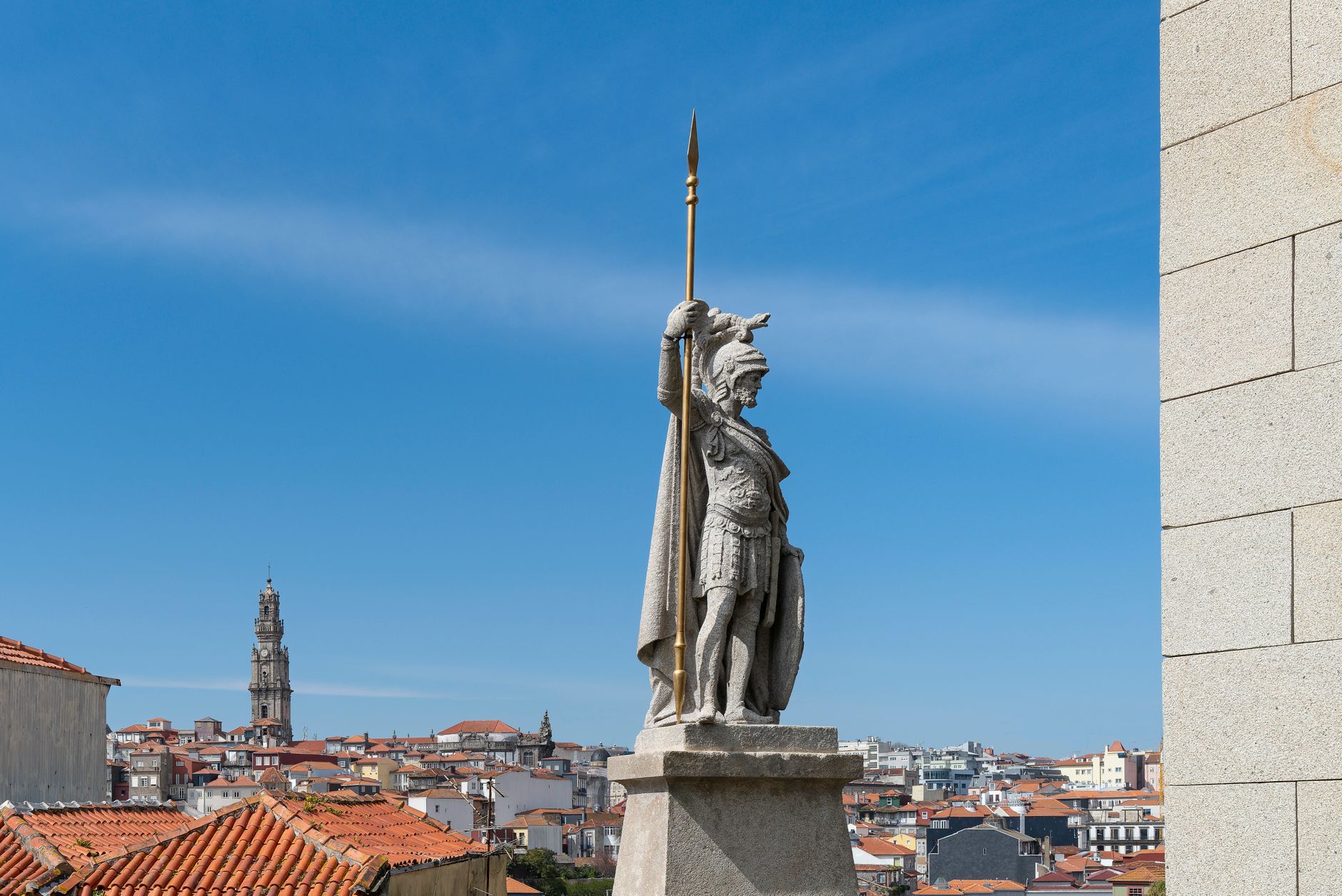
Cato the Elder preserved a farmer's prayer to Mars that has nothing to do with battle: it asks him to keep disease away from cattle and bring health and fruitfulness to the farm. That prayer is a useful starting point, because it shows a Mars most people never meet in popular retellings, a guardian of fields and boundaries who only later became the god Romans are now best known for, the god of war.
Mars before the battlefield
In the oldest layers of Roman religion that scholars can reconstruct, Mars appears tied to agriculture, land, and the protection of the community's boundaries and herds, alongside gods like Ceres in the agricultural sphere. Cato's prayer, recorded in his treatise On Agriculture, calls on "Father Mars" (Mars pater) to ward off harm from the farm and its animals, with no mention of war at all. This agricultural layer never fully disappeared even after Mars became primarily a war god; his festivals kept features tied to the farming calendar, since the campaigning season and the agricultural season were historically the same season for a citizen-farmer army.
Mars as father of Rome
Roman legend makes Mars the father of Romulus and Remus by the Vestal Rhea Silvia, which gives the war god a direct genealogical stake in Rome's founding. This parentage mattered politically: the Julian family and other Roman elites could trace a kind of symbolic descent from Mars through Romulus, reinforcing Mars's place as a guardian specifically of the Roman people, not war in the abstract. Augustus later built the Temple of Mars Ultor ("Mars the Avenger") in his new Forum, dedicated in 2 BCE, framing Mars as the god who had helped avenge Julius Caesar's assassination, a very Roman move: tying a major god's cult title to a specific political event rather than a myth.
The Salii and the sacred spears
Mars had his own priesthood, the Salii ("leapers"), twelve young patrician men who each March performed an armed ritual dance through the city wearing archaic armor and carrying ancilia, sacred shields said to have fallen from the sky. They also guarded Mars's sacred spears, kept in the Regia; Roman sources note that if the spears were ever heard to move or rattle on their own, it was treated as an omen requiring attention before a general left the city, underscoring Mars's link to the army's departure and safety. The Salii's songs were already considered nearly unintelligible archaic Latin by the time of later Roman scholars, a sign of how old this cult practice was.
The October Horse and the war-season calendar
Mars's festival calendar bracketed the Roman military campaigning season: the Equirria in March opened it with horse races on the Campus Martius, and the October Horse (Equus October) on October 15 closed it, when a war-horse from a chariot race was sacrificed to Mars and its head fought over by two city districts as a trophy. This closing ritual, strange as it looks today, is best read as a seasonal marker: war-making paused for winter, and Mars received formal thanks and a sacrifice before the army stood down.
Mars vs. Ares: function, not just name
| Aspect | Mars (Roman) | Ares (Greek) |
|---|---|---|
| Public standing | Deeply respected, second only to Jupiter in many contexts; a state father-figure | Generally disliked among the Olympians, associated with chaotic bloodlust |
| Earlier role | Agricultural guardian of fields, herds, and boundaries | No clear agricultural layer; war-focused from earliest sources |
| Family tie to the people | Legendary father of Romulus, hence "father" of the Roman people | Son of Zeus and Hera, but without a founding role for any specific city-state in the main tradition |
| Main priesthood | The Salii, with archaic dance and sacred shields | No single dedicated priestly college of comparable prominence |
Checklist: how to recognize Mars in Roman art
- A woodpecker or wolf nearby, both animals linked to Mars in Italian tradition, including the wolf that nursed his sons.
- Military dress: helmet, spear, and shield, often shown in active stride rather than seated.
- Appears alongside Venus in art and myth as a pair, reflecting the Dii Consentes pairing and later imperial propaganda linking war and the Julian line's divine ancestry.
- Inscriptions mentioning "Mars Ultor" point specifically to Augustus's avenging-Mars cult, not the older agricultural Mars.
Common mistakes about Mars
The most common mistake is assuming Mars was always, from Rome's earliest religion onward, purely a war god like Ares. The farming-related prayers recorded by Cato argue otherwise, and most specialists in Roman religion now treat the martial Mars as a later narrowing of an older, broader guardian role. A second mistake is assuming Mars and Ares were worshipped the same way because they share a rough identification; Roman soldiers did not dislike or distrust Mars the way some Greek literature treats Ares with suspicion, and Mars never carries the same reputation for senseless cruelty. A third mistake is conflating all of Mars's festivals into one undifferentiated "war festival"; the Equirria, the October Horse, and the Salii's March rites each mark distinct moments in the agricultural-military calendar, not a single generic celebration of combat.
Mars among Rome's major gods
Mars held a seat among the Dii Consentes, paired with Venus in Ennius's list, a pairing that later Roman propaganda under the Julio-Claudians made a great deal of symbolic use of, since both gods were claimed as ancestors of the Julian family through Aeneas and Romulus respectively. For Rome's full catalog of cult deities, see the gods and goddesses category page, and for Mars's library entry specifically, see Mars in the library.
Sources
- Cato the Elder, De Agri Cultura (the farm prayer to Mars) — Direct evidence of Mars's early agricultural and protective role.
- Livy, Ab Urbe Condita (Book 1, on Mars as father of Romulus and Remus) — Gives the legendary genealogy linking Mars to Rome's founding.
- Ovid, Fasti (entries on March festivals and the Salii) — Describes Mars's festival calendar and associated rites.
Frequently asked questions
Was Mars originally an agricultural god?
Yes, surviving evidence such as Cato the Elder's farming prayer to 'Father Mars' shows an early role protecting fields, herds, and boundaries, alongside his later and better-known role as a war god.
Why is Mars called the father of Rome?
Roman legend holds that Mars fathered Romulus and Remus with the Vestal priestess Rhea Silvia, making him the divine ancestor of Rome's founder and giving the Roman people a direct genealogical link to him.
What was the October Horse?
The Equus October was an October 15 ritual in which a winning chariot horse was sacrificed to Mars on the Campus Martius, with its head later fought over by two city districts; it marked the close of the campaigning season.
Who were the Salii?
The Salii were twelve patrician priests of Mars (and Quirinus) who performed an armed dance through Rome each March wearing archaic armor and carrying sacred shields called ancilia.