
Ceres and the Gods of the Roman Harvest
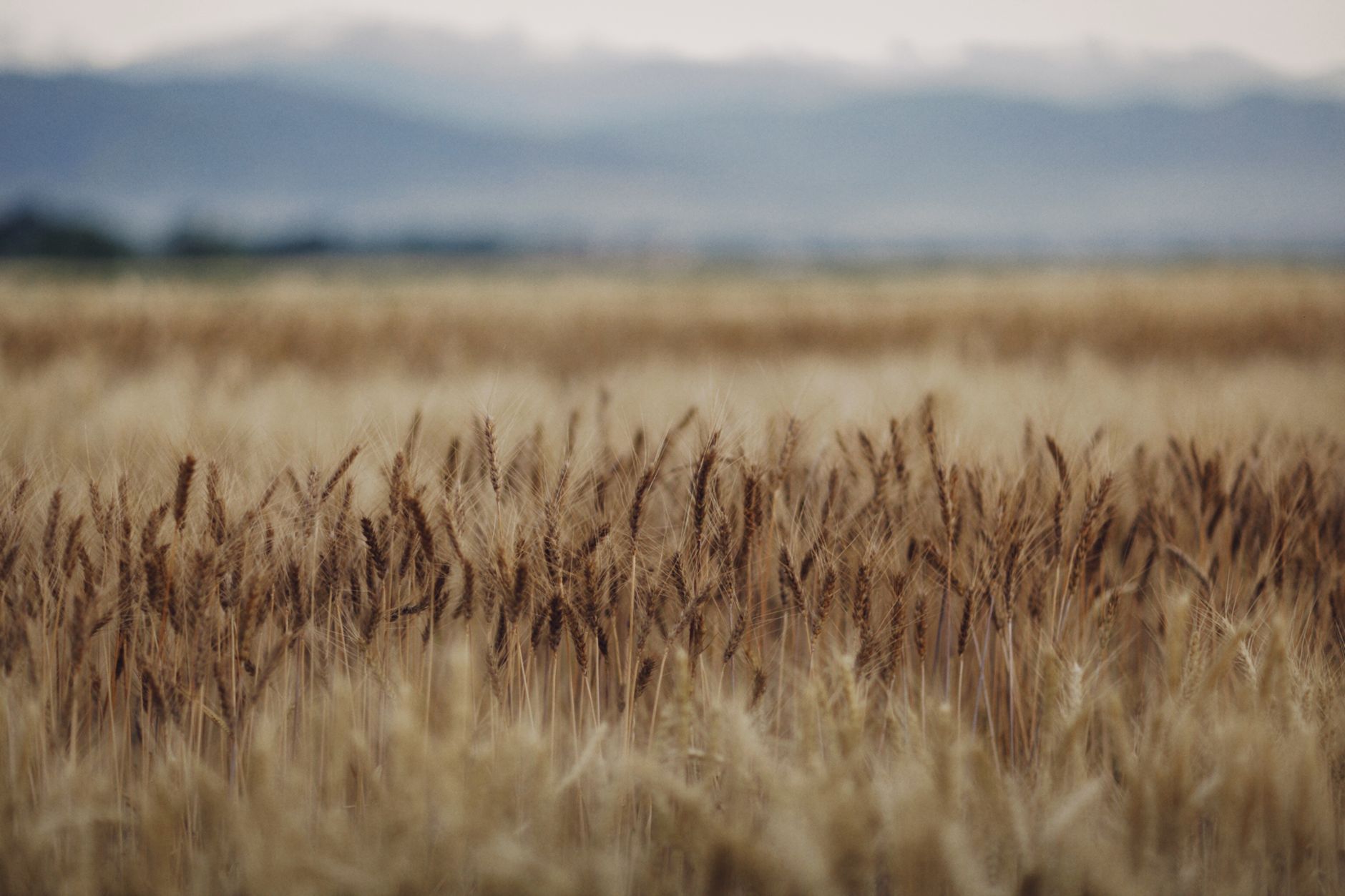
In 493 BCE, in the middle of a food crisis and class tension between Rome's patricians and plebeians, Rome dedicated a temple on the Aventine Hill to three gods together: Ceres, Liber, and Libera. That pairing of grain goddess and political crisis was not a coincidence, and it set the tone for Ceres's entire Roman career as a goddess inseparable from the politics of bread.
Rome's food supply was never a small concern. A city that grew well beyond what the surrounding countryside alone could feed depended on reliable grain, first from Italy and Sicily and later from Egypt and North Africa under the Empire, and religious anxiety about that supply ran through Ceres's cult from its earliest recorded moments.
Ceres and the Aventine Triad
The temple of Ceres, Liber, and Libera on the Aventine Hill became a center of plebeian religious and political life, deliberately built as a kind of counterweight to the patrician-associated Capitoline Triad of Jupiter, Juno, and Minerva. The plebeian aediles, officials originally tied to this temple, used it as an archive and treasury for decrees protecting plebeian interests. Ceres, in other words, was not just an agricultural goddess in Rome; she carried a specific class association tied to the struggle between plebeians and patricians in the early Republic, a political dimension her Greek counterpart Demeter did not carry in quite the same form. The plebeian aediles who administered this temple also organized the Ludi Ceriales, games held during the Cerealia, giving the plebeian class its own dedicated set of public games to rival the patrician-associated festivals centered on the Capitoline gods.
Rome's wider circle of harvest gods
Ceres did not work alone in Roman agricultural religion. Terminus guarded boundary stones between fields, with his own festival, the Terminalia, on February 23. Robigus (or the goddess Robigo) received offerings at the Robigalia to ward off grain rust and blight. Consus, a harvest-and-storage god, had an underground altar on the Circus Maximus, uncovered only for his festivals in August and December. This division of agricultural tasks among several distinct gods, rather than one all-purpose harvest deity, is a recurring pattern in Roman religion: specific problems got specific divine addressees. Tellus, an earth goddess sometimes invoked alongside Ceres in state prayers, covered the ground itself as a living, fertile entity, distinct from Ceres's more specific role overseeing the grain crop that grew from it. A farmer worried about blight, boundary disputes, and poor soil in the same season might reasonably owe ritual attention to three or four different gods rather than one.
The Cerealia: April 12 to 19
Ceres's major festival, the Cerealia, ran from April 12 to April 19 and included chariot races in the Circus Maximus. One striking recorded detail: foxes were released into the Circus with burning torches tied to their tails, a practice ancient sources connect, somewhat uncertainly, to a half-remembered agricultural punishment story rather than any clearly understood core ritual logic. The festival as a whole marked the growing season, asking Ceres's favor for crops still in the ground.
Ceres vs. Demeter: function, not just name
| Aspect | Ceres (Roman) | Demeter (Greek) |
|---|---|---|
| Political association | Strongly tied to plebeian interests and the early Republic's class conflict | No equivalent political class association in Greek city-states |
| Companion deities | Worshipped with Liber and Libera in a specific state-sponsored triad | Associated mainly with her daughter Persephone and the Eleusinian Mysteries |
| Known for | Cerealia festival, grain supply, plebeian temple and archive | The Thesmophoria festival, the Eleusinian Mysteries, the Persephone myth cycle |
| Mystery cult | A Roman mystery cult of Ceres existed but never reached the scale of Eleusis | The Eleusinian Mysteries were among the most famous religious institutions in the Greek world |
Worked example: tracing a grain crisis through Roman religion
- A poor harvest threatens Rome's grain supply.
- Magistrates consult the Sibylline Books, and a vow or new temple to Ceres (or an associated deity) may be promised, as happened around the Aventine temple's founding amid food shortages in the early fifth century BCE.
- The Robigalia and Cerealia are observed on their fixed calendar dates regardless of the current harvest's condition, as standing insurance against future blight and failure.
- Plebeian officials linked to the Aventine temple use their religious standing to also press political demands tied to food access and class grievances.
This sequence shows how, in Rome, agricultural religion and domestic politics were never cleanly separable.
Common mistakes about Ceres and harvest worship
A common mistake is assuming Ceres functioned in Rome exactly as Demeter did in Greece because of the shared grain-goddess role and later interpretatio Romana equating them; Ceres's specific tie to plebeian political identity through the Aventine temple has no real Greek parallel. Another mistake is assuming "Ceres" covered the entire Roman agricultural pantheon by herself; Terminus, Robigus, and Consus each handled distinct agricultural risks and had their own festivals and priesthoods, and conflating them into "basically Ceres" misses how specialized Roman agricultural religion actually was. A third mistake is assuming the burning-tailed foxes of the Cerealia had a clear, agreed ancient explanation; Roman sources themselves report the practice with some uncertainty about its original cause.
Ceres among Rome's major cults
Ceres held a place among the Dii Consentes, paired with Mercury in Ennius's list, linking grain, trade, and movement in a single conceptual pairing appropriate to how grain actually reached Roman tables, grown and then transported. For more on Rome's agricultural and household religious categories, see our article on Lares and Penates, and browse the full roster on the gods and goddesses category page or Ceres's own library entry.
Sources
- Livy, Ab Urbe Condita (Book 2, on the Aventine temple's founding) — Connects Ceres's temple to the food crisis and class tensions of the early Republic.
- Ovid, Fasti (Book 4, on the Cerealia and Robigalia) — Describes the April festival calendar tied to Ceres and grain protection.
- Dionysius of Halicarnassus, Roman Antiquities (on the Aventine temple and plebeian cult) — Greek-authored account of the temple's early civic role.
Frequently asked questions
Why was Ceres's temple linked to plebeian politics?
The temple of Ceres, Liber, and Libera on the Aventine Hill, dedicated in 493 BCE amid food shortages and class conflict, became a center for plebeian officials and served as an archive for decrees protecting plebeian interests, giving Ceres's cult a distinct political dimension.
When was the Cerealia festival held?
The Cerealia ran from April 12 to April 19 on the Roman calendar and included games and chariot races in the Circus Maximus in Ceres's honor.
What other Roman gods handled the harvest besides Ceres?
Terminus guarded boundary stones between fields, Robigus or Robigo was invoked against grain blight at the Robigalia, and Consus oversaw harvest storage, each with distinct festivals rather than being folded into a single generic harvest god.
Is Ceres the same as the Greek goddess Demeter?
They share a grain-goddess function and were equated by ancient writers, but Ceres's cult carried specific Roman political associations with the plebeian class that Demeter's Greek cult did not carry in the same way.