
Rhea Silvia: The Vestal Who Became Mother to Rome's Founders
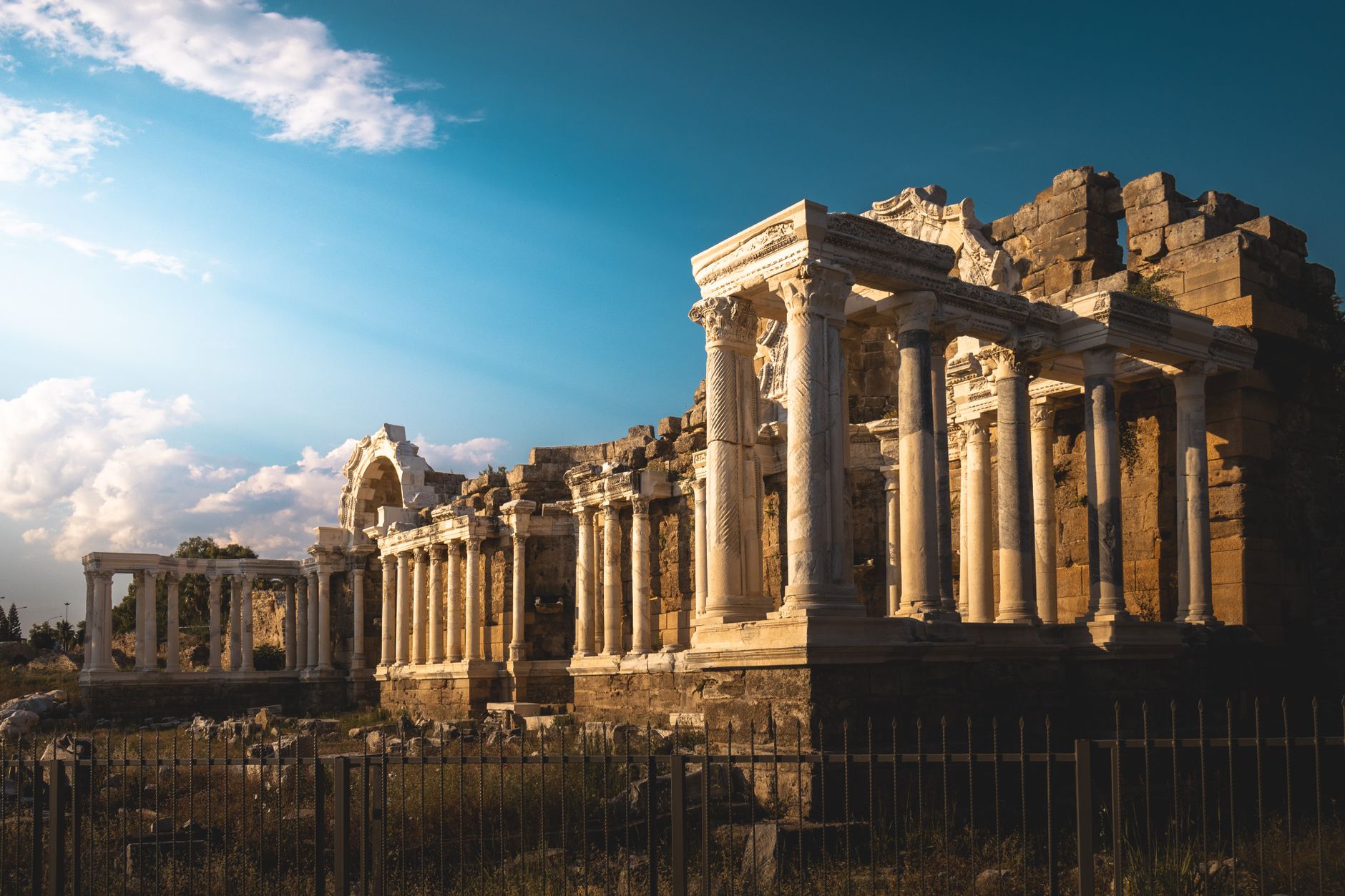
Rhea Silvia was supposedly made a Vestal Virgin specifically to prevent her from ever having children, a safeguard meant to protect a usurper's throne. According to Roman legend, it failed spectacularly: she became the mother of Rome's twin founders, Romulus and Remus, by the god Mars.
Who Was Rhea Silvia?
In the traditional genealogy that Roman writers traced backward from Aeneas, Rhea Silvia was the daughter of Numitor, king of Alba Longa and a descendant of Ascanius, son of Aeneas. Her story sits at the hinge point of Roman legend, connecting the Trojan refugee tradition to the founding of Rome itself, more than a dozen generations later by the traditional count.
Family Politics in Alba Longa: Numitor and Amulius
According to Livy, Numitor's younger brother Amulius seized the throne of Alba Longa by force, killing Numitor's sons and leaving his daughter Rhea Silvia as the only possible source of future rivals. Rather than killing her outright, Amulius chose a more subtle method of neutralizing the threat she represented.
Forced Into the Vestal Order
Amulius compelled Rhea Silvia to become a Vestal Virgin, a priestess of Vesta sworn to thirty years of chastity in service of the sacred hearth fire. The irony later Roman readers would have caught immediately is that the Vestal order, in the fuller mythic timeline, is usually credited to King Numa, several generations after Rhea Silvia's own lifetime, a chronological tension explored further in Numa Pompilius: The King Who Gave Rome Its Religion. Ancient sources themselves were not overly troubled by this inconsistency, since the legend was never meant to function as precise chronology.
The God Mars and the Conception of the Twins
Tradition holds that the war god Mars either appeared to Rhea Silvia in a sacred grove or visited her while she slept, and that she subsequently gave birth to twin sons. Some ancient variants, aware of how convenient a divine explanation was for a Vestal who had broken her vow, record alternative, more skeptical versions in which a human seducer was blamed instead, though the Mars parentage became the dominant and most politically useful version, tying Rome's founders directly to the god of war.
Punishment and Fate After the Twins' Birth
Breaking a Vestal's vow of chastity was, in later verified Roman law, punishable by being buried alive. Legendary accounts of Rhea Silvia's own fate vary: some have Amulius imprison or kill her outright, others have her spared or even reunited with her sons after Romulus and Remus overthrow Amulius and restore Numitor to the throne. The inconsistency across versions is itself a sign of how flexible founding legends remained even among ancient authors who all agreed on the broad outline.
Different Versions of What Happened to Rhea Silvia
| Source | Fate of Rhea Silvia |
|---|---|
| Livy | Imprisoned by Amulius; later accounts remain vague on her ultimate end |
| Plutarch | Notes variant traditions, including one where she survives and is honored by her sons |
| Dionysius of Halicarnassus | Preserves multiple competing local traditions, including a version where she is spared and given in marriage to a river god |
Comparison: Rhea Silvia vs Later Historical Vestal Virgins
- Rhea Silvia: a legendary figure, forced into the role for political reasons, whose vow-breaking produces Rome's own founders, a myth, not a legal case.
- Historical Vestal Virgins, from the Republic onward: a real, verified institution of six priestesses chosen as girls, serving thirty years, subject to actual Roman law including the death penalty for unchastity, as documented by historians in later, non-legendary periods.
- The two should never be conflated: Rhea Silvia's story explains and dramatizes the stakes of the Vestal vow retroactively; it is not evidence for how the historical order actually operated.
Rhea Silvia in Roman Memory and Art
Compared to her sons, Rhea Silvia received relatively modest attention in surviving Roman art, most often shown asleep in a grove at the moment of her encounter with Mars, a scene that appears on coins, reliefs, and later wall paintings across the Roman world. Her story also carried a quieter symbolic weight: she represented the idea that even an institution meant to guarantee chastity and political neutrality could become the unwitting instrument of fate and divine will. Later Roman writers occasionally invoked her as a cautionary or sympathetic figure depending on the political point they wanted to make about forced vows, royal power, and the unpredictable workings of the gods in a family's fortunes. Unlike her sons, she never receives a cult of her own or a deified afterlife in any surviving tradition; her role in Roman memory stays firmly that of an origin point rather than an object of worship, a reminder that not every figure central to a founding story was treated by Romans as sacred in the same way.
Common Mistakes About Rhea Silvia
A common mistake is assuming Rhea Silvia's story accurately reflects how the historical Vestal order treated unchastity; her story is legendary and predates, in its own internal logic, the order's traditional founding under Numa. Another mistake is assuming all ancient sources agree on her ultimate fate; they do not, as the table above shows. People sometimes also assume the name Rhea links her to the Greek Titaness Rhea; the name is coincidental to the Roman legend and not a claimed genealogical connection in the ancient sources themselves.
Legend Within a Legend
Rhea Silvia's story is a legend nested inside the larger founding legend of Rome, with no independent historical verification for her existence any more than for her sons. Her value to Roman tradition was symbolic: she links the fall of Troy, through Aeneas's line, to the moment Mars himself intervenes in Roman origins, producing Romulus and Remus. Readers can explore the rest of Rome's founding figures in the heroes and founding myths category.
Sources
- Livy, Ab Urbe Condita (Book 1) — Core narrative source for Rhea Silvia's forced role as a Vestal and the birth of the twins.
- Plutarch, Life of Romulus (Parallel Lives) — Notes variant traditions about Rhea Silvia's eventual fate.
- Dionysius of Halicarnassus, Roman Antiquities (Book 1) — Preserves multiple competing local versions of her story.
Frequently asked questions
Who was Rhea Silvia?
Rhea Silvia was, by Roman legend, the daughter of King Numitor of Alba Longa, forced to become a Vestal Virgin by her usurping uncle Amulius, and later the mother of Romulus and Remus by the god Mars.
Why was Rhea Silvia made a Vestal Virgin?
According to Livy, her uncle Amulius forced her into the role specifically to prevent her from bearing children who might one day challenge his seized throne.
What happened to Rhea Silvia after the twins were born?
Ancient sources disagree. Some say Amulius imprisoned or killed her, while others claim she was eventually spared or reunited with her sons once they overthrew Amulius.
Is Rhea Silvia related to the Greek Titaness Rhea?
No. The shared name appears to be coincidental; ancient sources do not claim a genealogical link between the Roman legendary figure and the Greek Titaness.