
Numa Pompilius: The King Who Gave Rome Its Religion
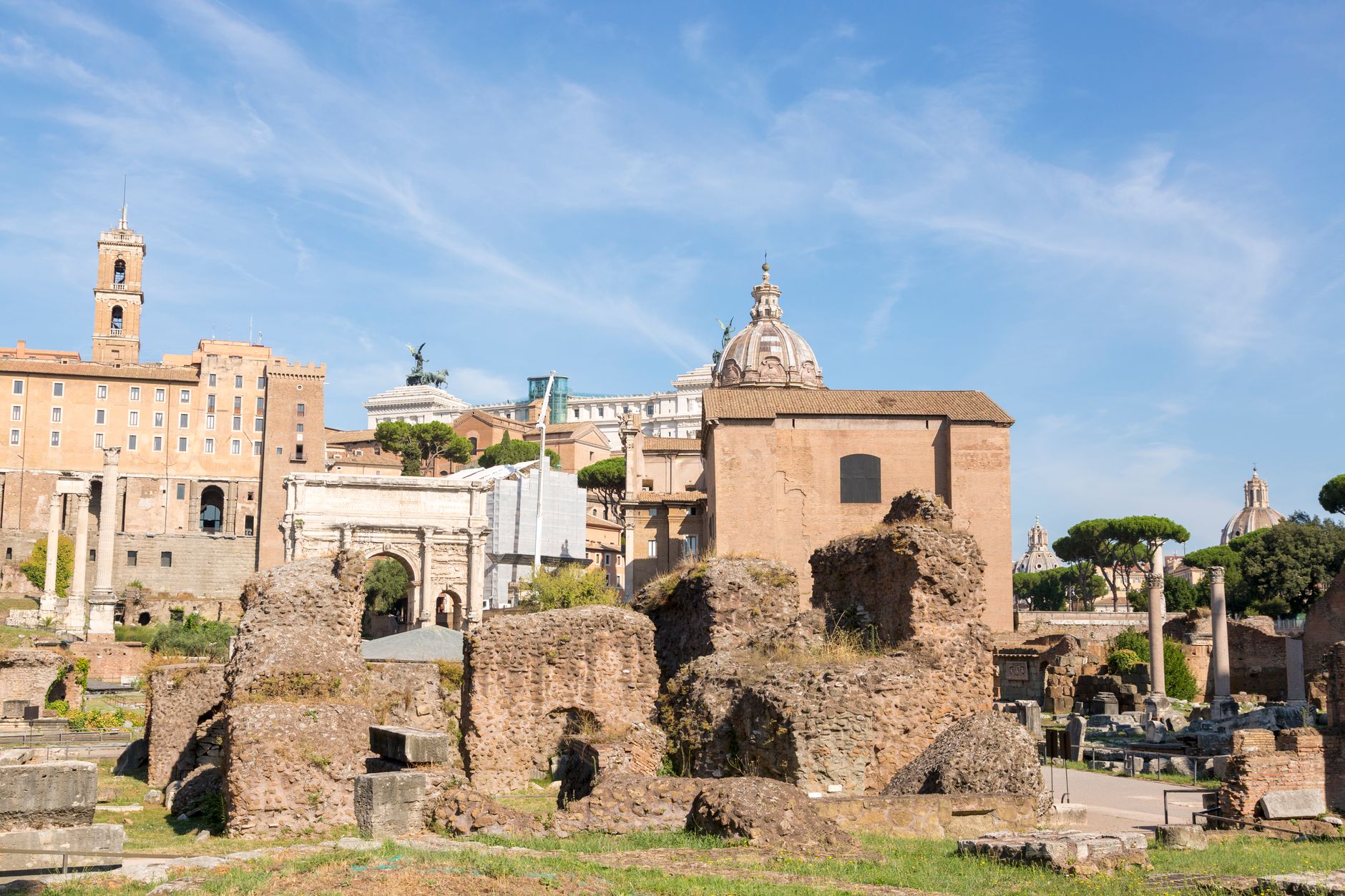
Numa Pompilius reportedly ruled Rome for 43 years, from 715 to 673 BC by tradition, and in that entire span the legend insists he never fought a single war. For a city whose first king was a son of Mars, that claim alone marks Numa as a deliberate counter-image.
Who Was Numa Pompilius?
Numa was a Sabine, not a Roman by birth, from the town of Cures. According to Livy and Plutarch, he was chosen by the Roman Senate specifically because of his reputation for wisdom, justice, and piety after the death of Romulus, whose sudden disappearance left the new city in need of a very different kind of ruler. The decision to recruit an outsider known for restraint, rather than another warrior, is itself part of what Roman tradition wanted to say about its own civic values.
From Private Sabine Life to Rome's Throne
Tradition describes Numa as reluctant to accept the kingship, preferring a quiet, philosophical life, and only agreeing after considerable persuasion and favorable omens confirmed through augury. This reluctance became a recurring motif in Roman stories about ideal rulers: the good king is the one who does not seek power for its own sake.
The Nymph Egeria and Numa's Claimed Divine Guidance
According to legend, Numa received private guidance from the nymph Egeria in a sacred grove, and used this claimed divine counsel to persuade a skeptical, martial Roman population to accept new religious laws and institutions. Ancient writers themselves were divided on how literally to take this; some treated it as useful political theater on Numa's part rather than literal truth, which makes it one of the earliest examples in Roman tradition of a leader using religious authority to legitimize reform.
Building Rome's Religious Calendar
Numa is credited with reorganizing Rome's calendar, reportedly adding the months of January and February to an older ten-month year and aligning civic life with a structured ritual calendar of fixed and movable holy days. This calendar tradition is placed in wider context, alongside the kings before and after him, in The Seven Kings of Rome and Their Myths.
Founding the Priesthoods: Pontiffs, Flamens, Vestals, Augurs
Most significantly, legend credits Numa with establishing the core machinery of Roman state religion: the college of pontiffs to oversee sacred law, individual flamens dedicated to specific gods, the augurs who read omens, and the Vestal Virgins who tended Rome's sacred fire. Since Rhea Silvia, mother of Romulus and Remus, was herself a Vestal before the order was formally said to exist, the institution's foundation under Numa reflects a certain tidy retroactive logic typical of founding myths; the fuller irony of that timeline is explored in Rhea Silvia: The Vestal Who Became Mother to Rome's Founders.
Numa's Religious Institutions and Their Later Role
| Institution | Function | Later significance |
|---|---|---|
| Pontifices | Oversaw sacred law and ritual correctness | The chief pontiff, the Pontifex Maximus, became a major political office |
| Flamens | Priests dedicated to individual gods, such as the Flamen Dialis for Jupiter | Continued through the Republic and into the Empire |
| Augurs | Interpreted the will of the gods through signs, especially bird flight | Consulted before major state decisions for centuries |
| Vestal Virgins | Tended Rome's sacred hearth fire | Among the few prominent religious roles held by women in Rome |
Comparison: Numa vs Romulus as a Model of Kingship
- Romulus: divine father in Mars, rules through conquest and absorption of rivals, dies or vanishes amid storm or violence, becomes the war-linked god Quirinus.
- Numa: human Sabine background, rules through law, ritual, and claimed divine counsel from Egeria, dies peacefully of old age, is remembered as a civic philosopher-king rather than deified.
- Together, ancient writers used the pair to frame Rome as a city built on both martial strength and religious order, not one or the other alone.
Numa's Legacy in Later Roman Memory
Long after the legendary regal period ended, Romans continued to invoke Numa as a kind of founding reference point for religious legitimacy. Later priests, including the historical holders of the office of Pontifex Maximus, traced their institutional authority back to reforms attributed to him, even though no genuine unbroken chain of record connected eighth-century BC Rome to the historical priesthoods of the Republic and Empire. Writers such as Cicero and Livy treated Numa's reign as proof that Roman religion was ancient, deliberate, and native, rather than simply copied wholesale from Greek practice, a claim that mattered enormously to a culture anxious about its own originality next to Greek civilization. This retrospective use of Numa shows how founding legends kept doing political work for centuries after the figures themselves had supposedly lived.
Common Mistakes About Numa Pompilius
A frequent error is assuming Numa was a priest before becoming king; tradition is explicit that he was a private citizen known for wisdom, not a religious official. Another mistake is treating Egeria as a literal, verified supernatural encounter rather than a legendary motif ancient authors themselves debated. People also sometimes credit Numa with founding the Republic's institutions; he belongs firmly to the legendary monarchy, over four centuries before the Republic began in 509 BC by tradition. Finally, some readers assume Rome's entire religious calendar sprang fully formed from one king's reign; in reality, Roman religious practice continued to evolve for centuries after Numa's supposed lifetime.
Legend, Not Verified History
No inscription, document, or archaeological find from the eighth or seventh century BC confirms Numa Pompilius as a historical individual. What later Romans preserved was a civic legend explaining why their religious institutions existed and whom to credit, a legend that served Rome's self-image as a people governed by law and piety as much as by force. Readers can explore how this fits among Rome's other founding figures in the heroes and founding myths category.
Sources
- Livy, Ab Urbe Condita (Book 1) — Main narrative source for Numa's selection as king and his religious reforms.
- Plutarch, Life of Numa (Parallel Lives) — Detailed biographical account, including the Egeria legend and debate over its literal truth.
- Dionysius of Halicarnassus, Roman Antiquities (Book 2) — Parallel account of Numa's reign for a Greek readership.
- Ovid, Fasti (Book 3) — References Numa's association with the Roman religious calendar.
Frequently asked questions
Did Numa Pompilius ever go to war?
According to Roman legend, Numa's 43-year reign was entirely peaceful, in deliberate contrast to the warlike reign of his predecessor Romulus.
Who was Egeria?
Egeria was a nymph who, according to legend, privately advised Numa in a sacred grove. Ancient writers were divided on whether this was meant as literal belief or as acknowledged political strategy.
What religious institutions did Numa create?
Tradition credits Numa with founding Rome's college of pontiffs, the flamen priesthoods, the augurs, and the Vestal Virgins, along with reorganizing the religious calendar.
Was Numa Pompilius a real historical king?
There is no archaeological or documentary evidence confirming Numa as a historical individual. He is treated as a legendary figure from Rome's regal period.